
District heating systems operate by generating heat in a central facility and distributing it through pipeline networks to multiple buildings. This infrastructure provides efficient heating solutions especially in densely populated urban areas.
Energy production facilities ensure reliable and continuous heat generation. The produced heat is then delivered through the distribution network to residential buildings, commercial facilities and public institutions.
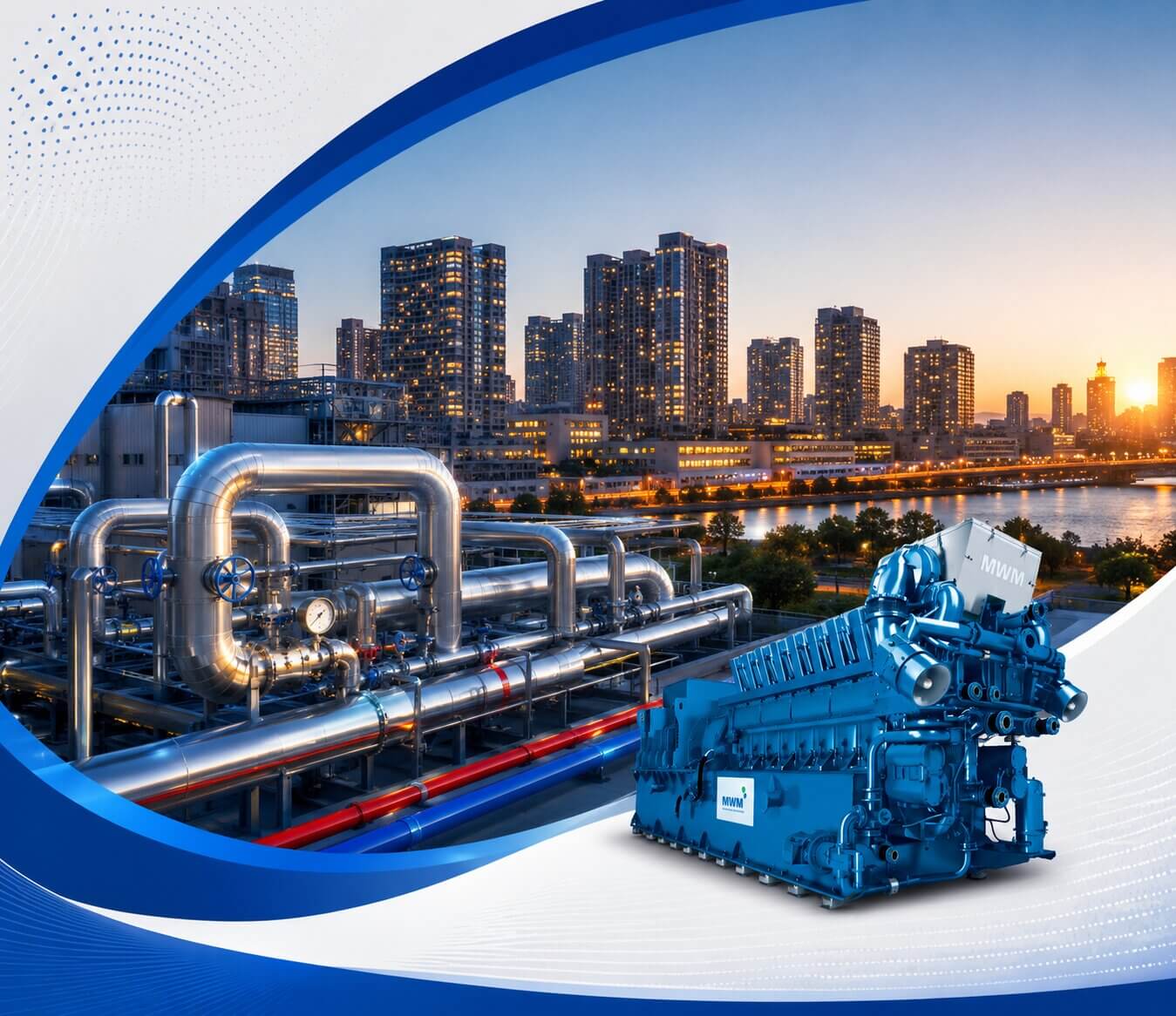
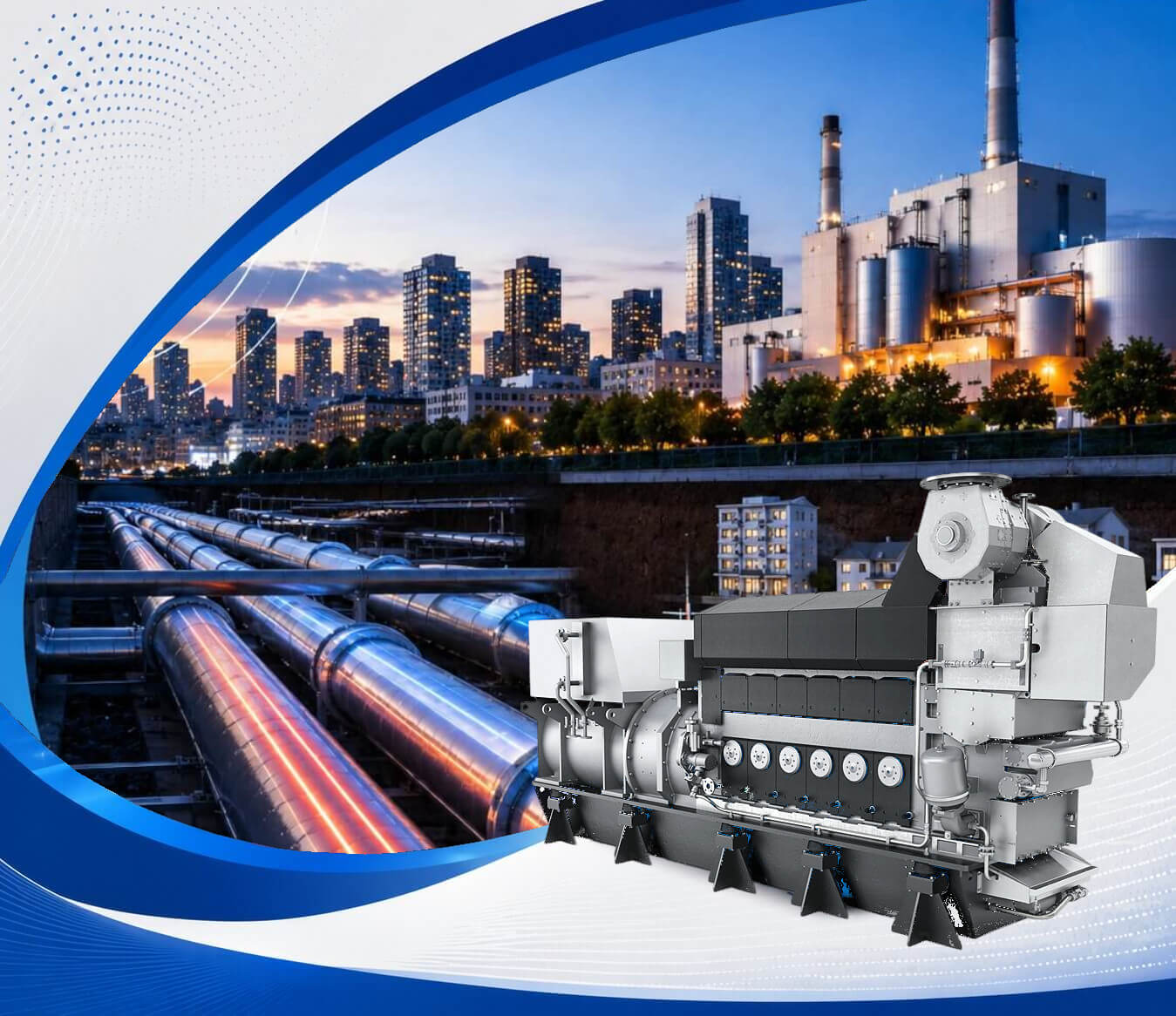
District heating systems play an important role in city-scale energy management strategies. Centralized production and distribution infrastructure allow municipalities and utilities to manage energy demand more efficiently.
Energy generation and management systems support the reliable operation of district heating infrastructure. This enables cities to optimize energy consumption and promote sustainable energy policies.
Energy Efficiency and Sustainable Urban Infrastructure
District heating systems offer important advantages in terms of energy efficiency. Centralized production allows energy resources to be utilized more effectively while reducing energy losses.
Modern energy generation technologies support the efficient and sustainable operation of district heating networks. These systems contribute to the modernization of urban energy infrastructure.
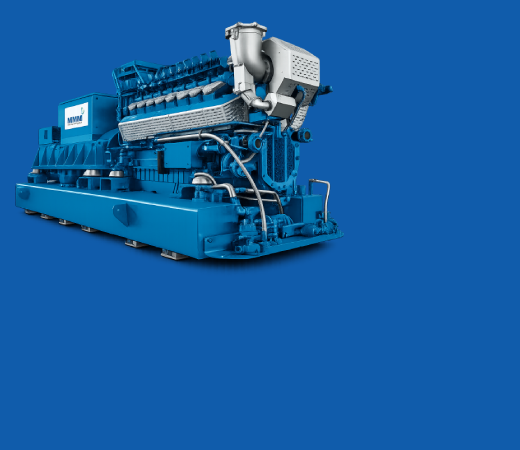
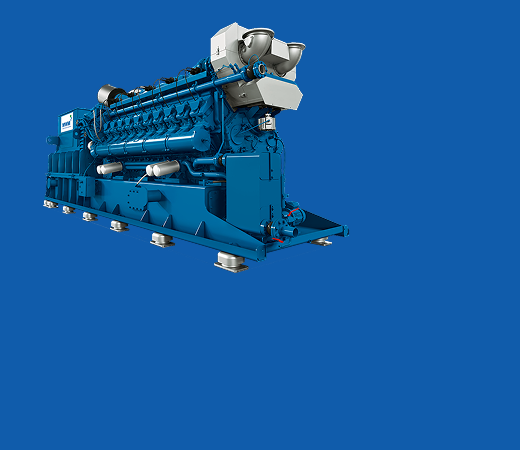
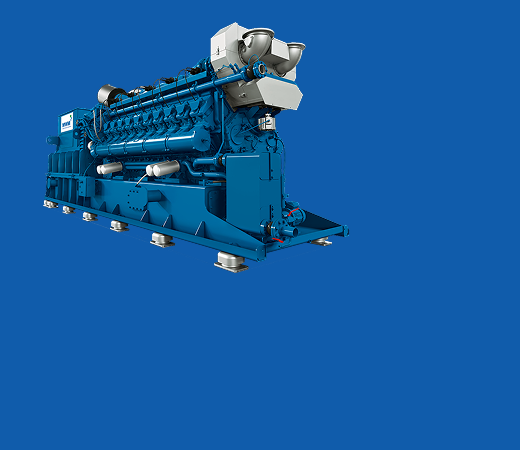
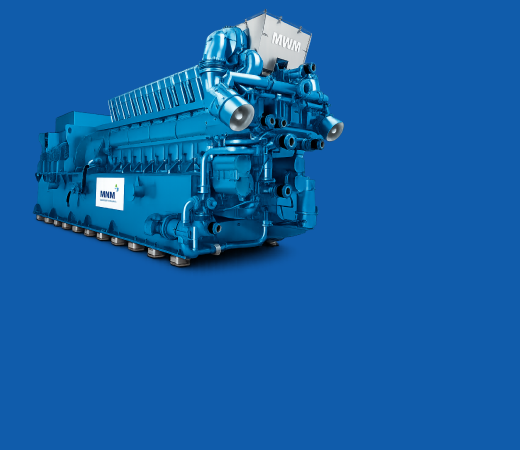
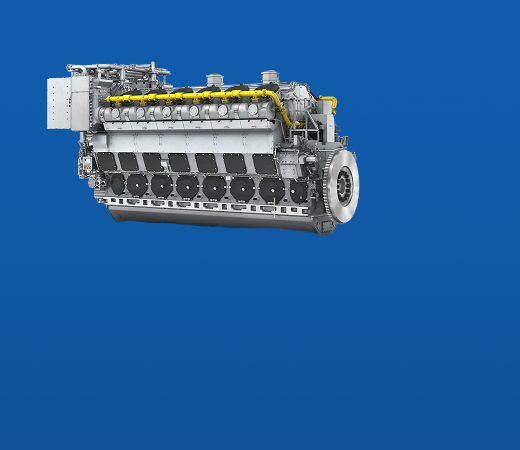
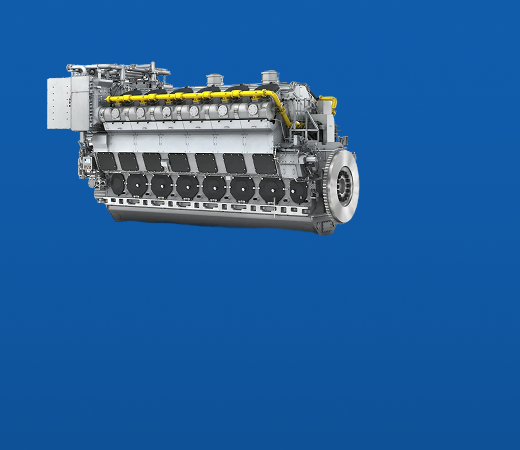
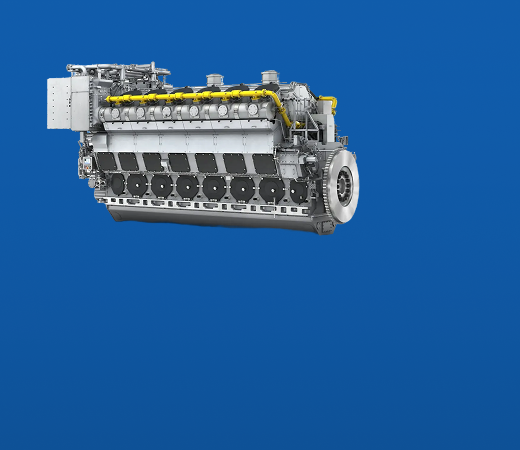
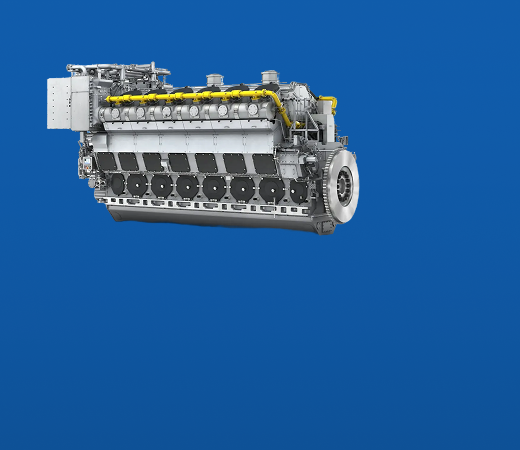
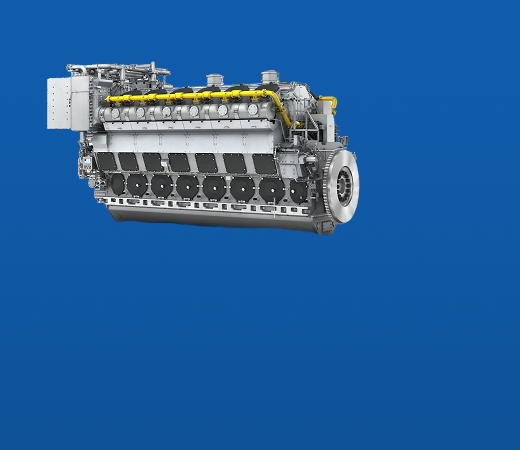
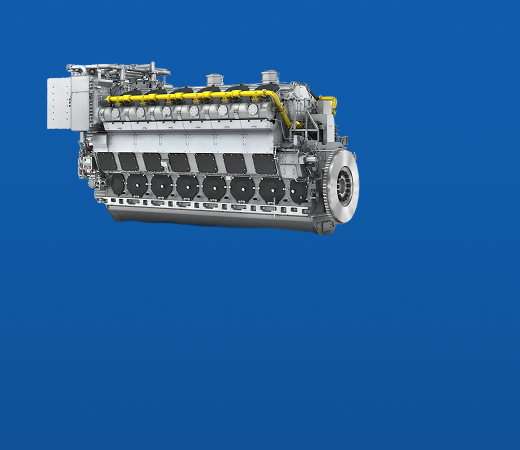
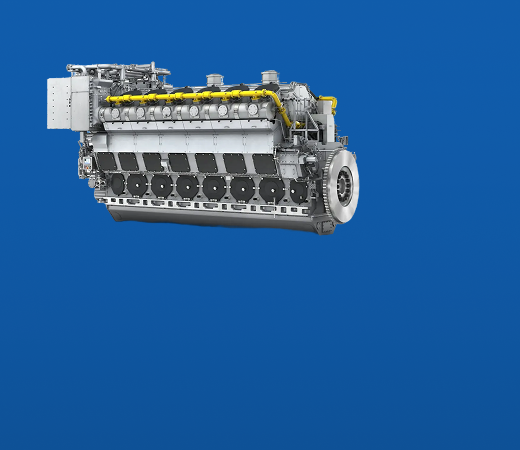
The gas engines can be operated with various types of gas, such as natural gas, shale gas, mine gas, biogas,
landfill gas, sewage gas, and syngas. They are designed for maximum electrical and thermal efficiency.





Frequently Asked Questions?
Latest project updates, engineering insights, and industry news from Iltekno — showcasing our global energy
solutions, technological innovations, and the success stories behind the power plants we deliver around the world.