35
27 February 2026

Central Asia Outlook 2025–2027: Why CHP, District Heating, and WtE Are Getting Funded Now

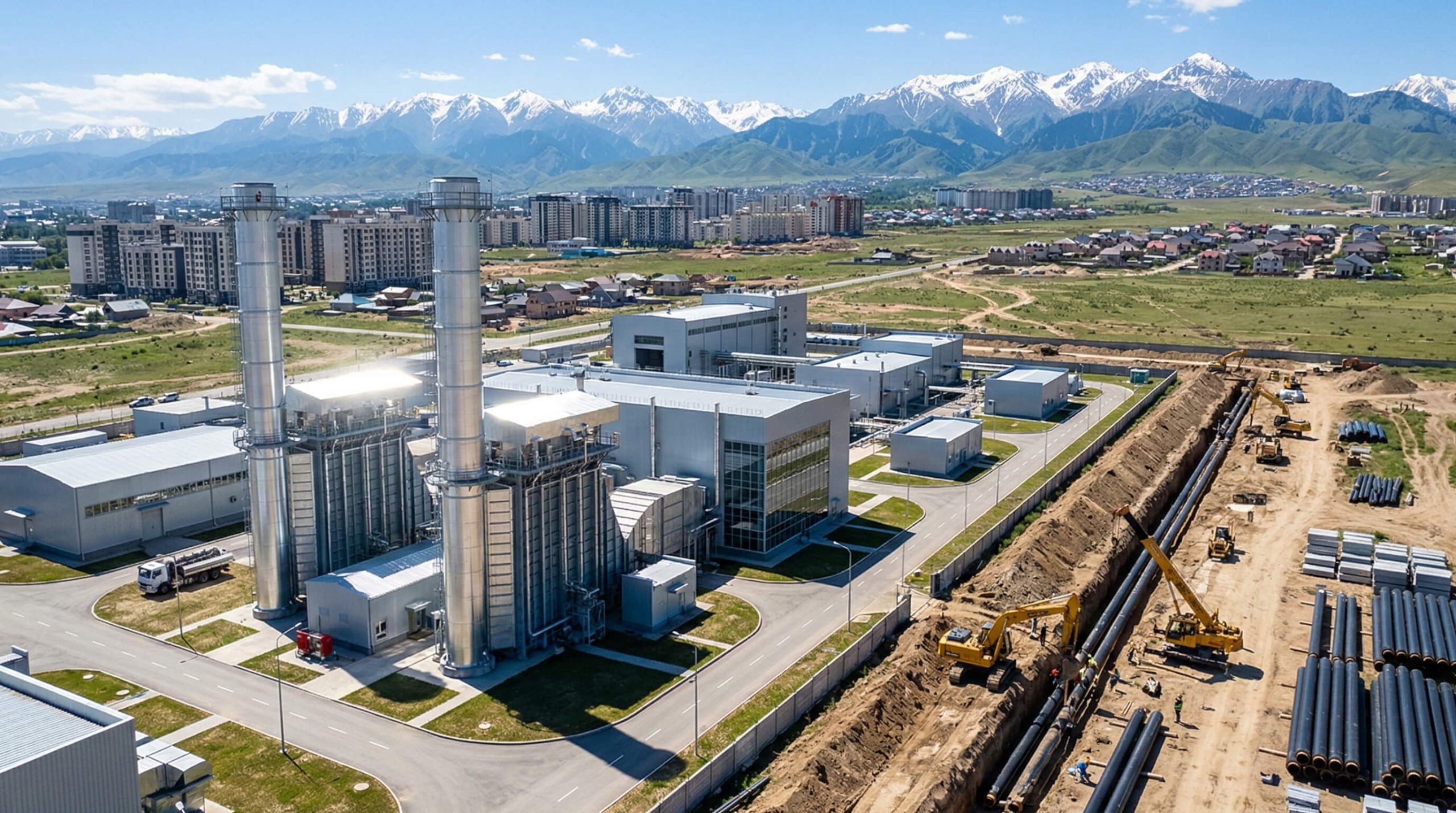
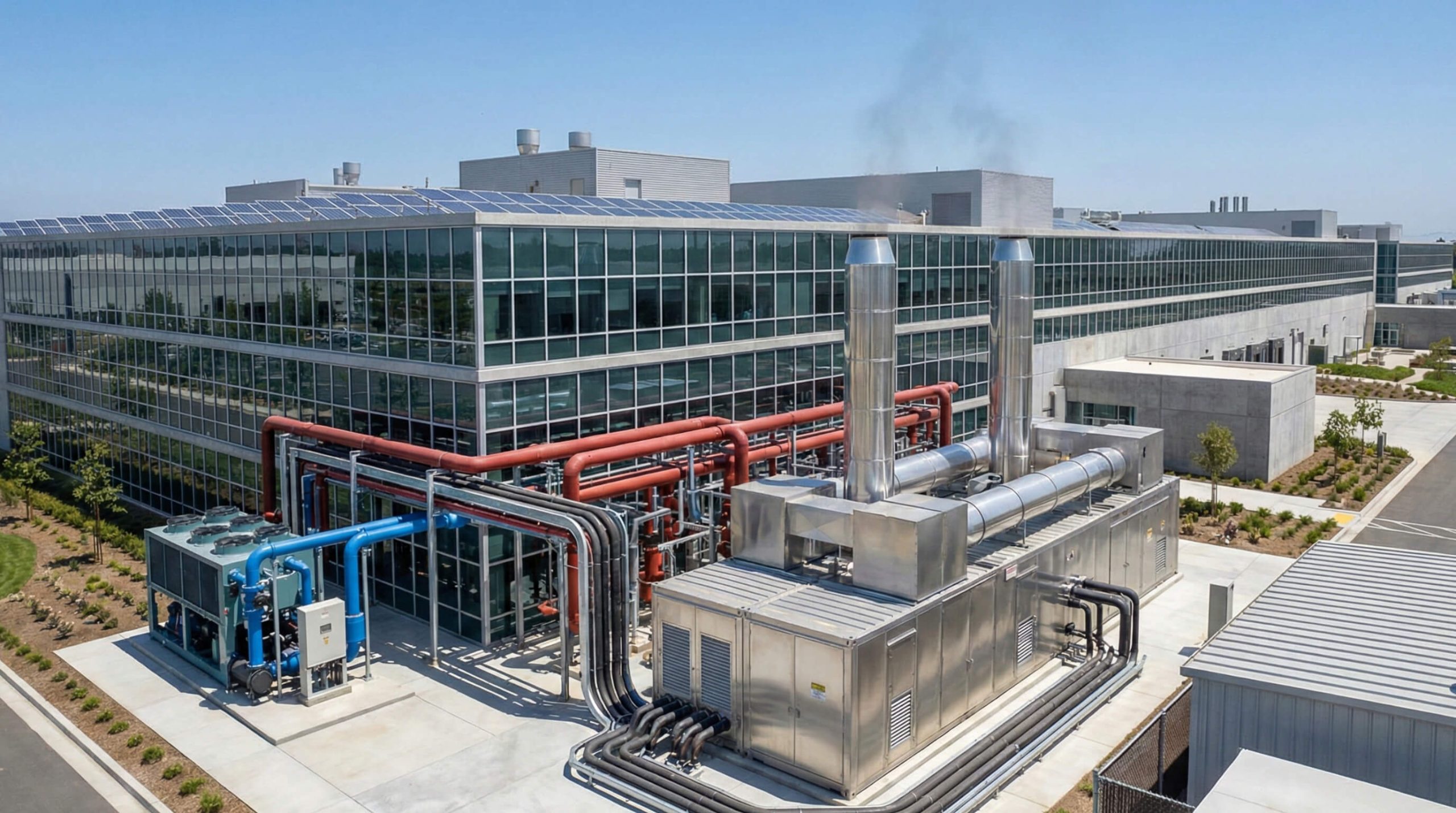
For decades, the energy architecture of Central Asia has relied on the massive, robust, yet highly carbon-intensive infrastructure built during the Soviet era. Today, that legacy equipment has reached its absolute mechanical and thermodynamic limits. Across the region, severe winter energy deficits, crippling urban smog, and overflowing landfills have shifted the narrative from deferred maintenance […]
24 February 2026

Waste-to-Energy & Landfill Gas in the Circular Economy: What Counts as “Sustainable” and Why

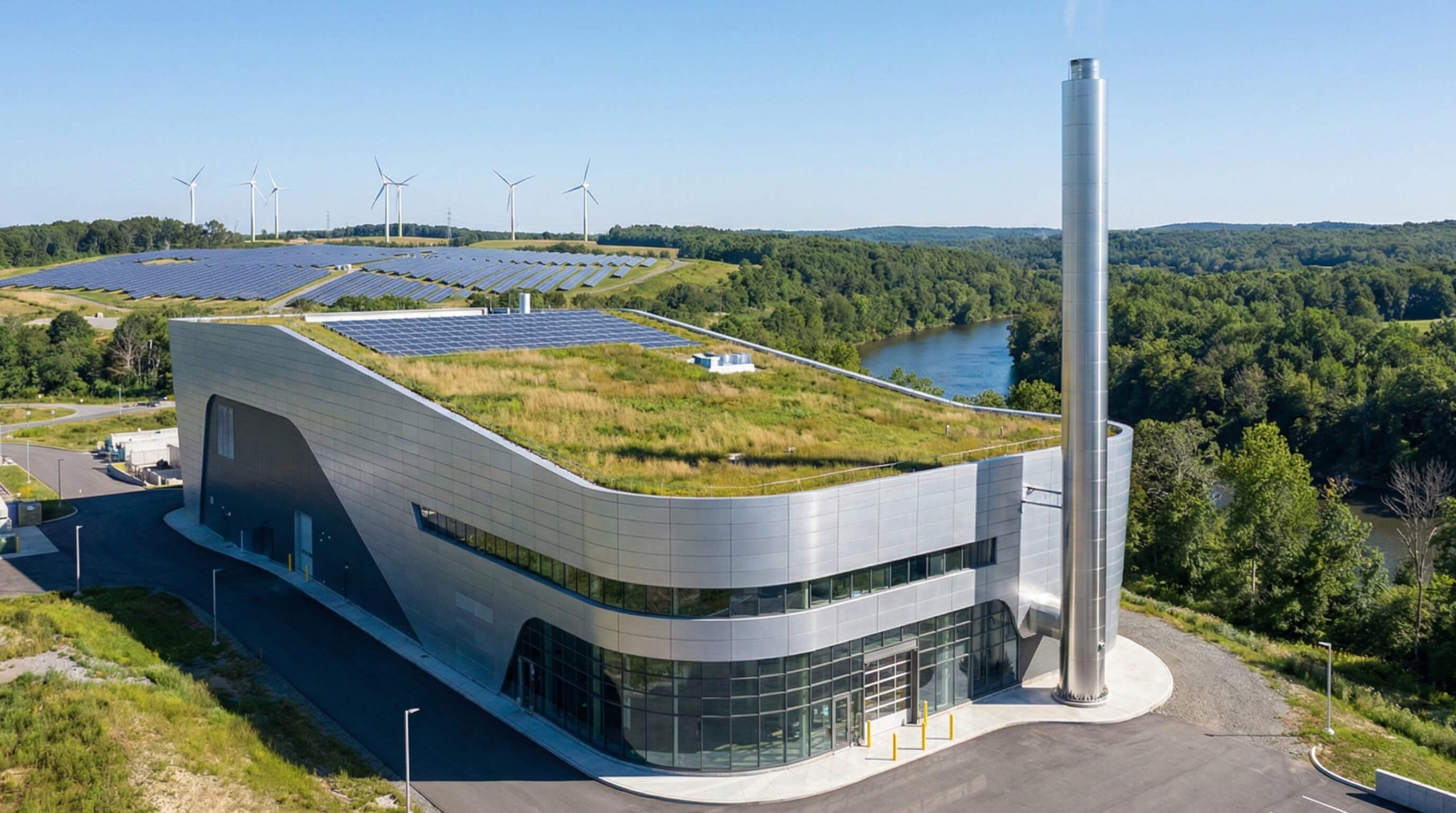
The global push toward a circular economy often presents a strict ideal: a world with zero waste where every material is endlessly looped back into production. However, engineering reality dictates that not all materials can be economically or physically recycled. Contaminated plastics, composite materials, and degrading organic matter inevitably accumulate. This creates a critical tension […]

20 February 2026

CHP & Trigeneration as a Decarbonization Lever: Where It Really Cuts Emissions

The engineering deployment of combined heat and power systems serves as a primary decarbonization lever for industrial facilities by fundamentally altering the thermodynamic balance of energy consumption where the simultaneous generation of electrical power and high-grade thermal energy from a single fuel input drastically reduces the total primary energy requirement, thereby avoiding the massive transmission […]

17 February 2026

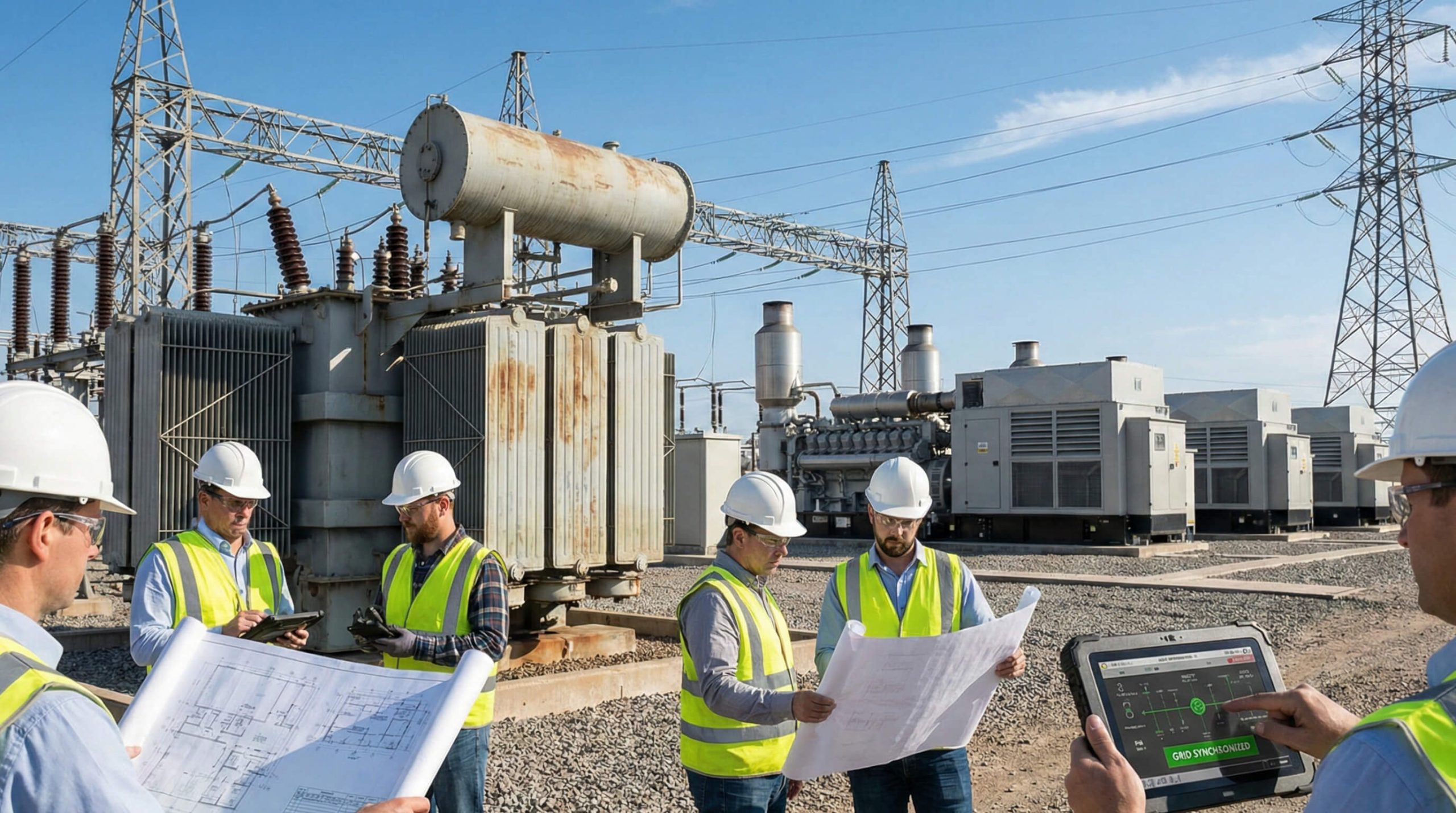
Grid Interaction for CHP and Microgrids: Protection, Synchronization, and Power Quality

The engineering transition from a standalone independent power producer concept into a fully operational parallel generation asset requires a profound technical deep dive into the electro-mechanical dynamics of grid interaction where the massive rotational inertia of the engine-driven alternator must perfectly align with the infinite bus of the national utility network to ensure that continuous […]

12 February 2026

Emissions and Compliance for Engine-Based Power: NOx, CO, and Reporting Basics

The regulatory framework governing stationary internal combustion engines requires a comprehensive understanding of the complex chemical reactions occurring within the combustion chamber where high temperatures and variable fuel compositions inevitably produce regulated pollutants that must be strictly managed to secure operational permits and protect the long-term financial viability of the energy investment. Investors must understand […]

09 February 2026

CHP O&M Strategy: Availability, Maintenance Planning, and Cost Drivers

The operational phase of a combined heat and power plant represents the true test of its engineering validity where the theoretical financial models formulated during the feasibility stage collide with the mechanical realities of continuous internal combustion, demanding a rigorous and highly structured operations and maintenance protocol to prevent premature component failure and ensure that […]

04 February 2026

CHP / CCHP Projects: Feasibility Study Checklist and Data Requirements

The initial phase of engineering a combined heat and power or trigeneration facility requires a comprehensive aggregation of operational metrics where the thermodynamic reality of the site must be precisely mapped against utility tariffs and physical constraints to establish a mathematically sound basis for capital investment. Energy projects require facts. Guesses lead to financial losses. […]

30 January 2026

PV + CHP Hybrid Energy Systems: Dispatch and Control Strategy

The modern industrial energy landscape is moving away from single-source generation toward hybridized microgrids. Combining Photovoltaics (PV) with Combined Heat and Power (CHP) creates a robust system that balances the low operational cost of renewables with the reliability of thermal generation. However, the hardware is only as good as the logic controlling it. The fundamental […]

26 January 2026

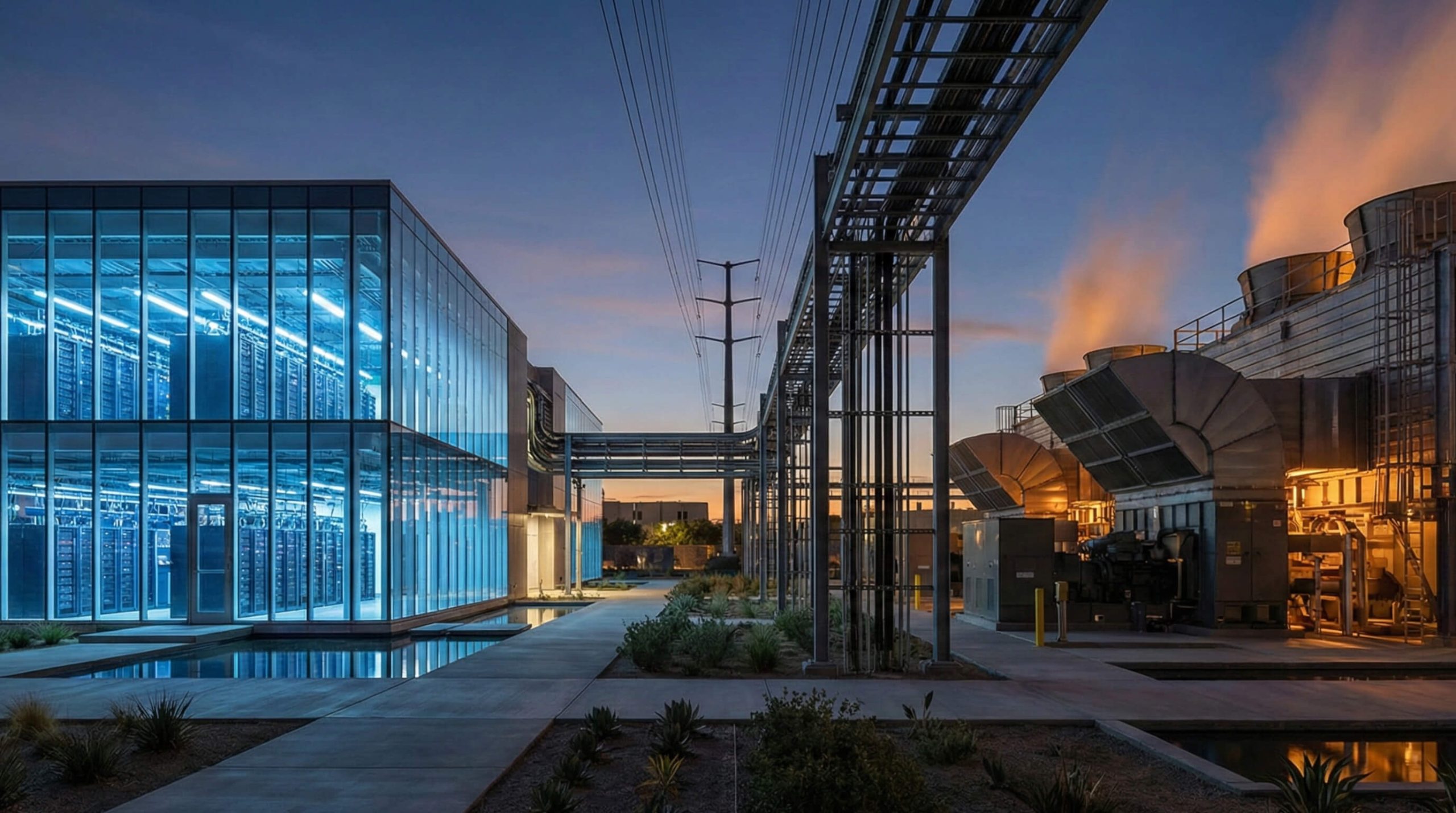
Microgrid Design for Data Centers with Engine-Based Systems

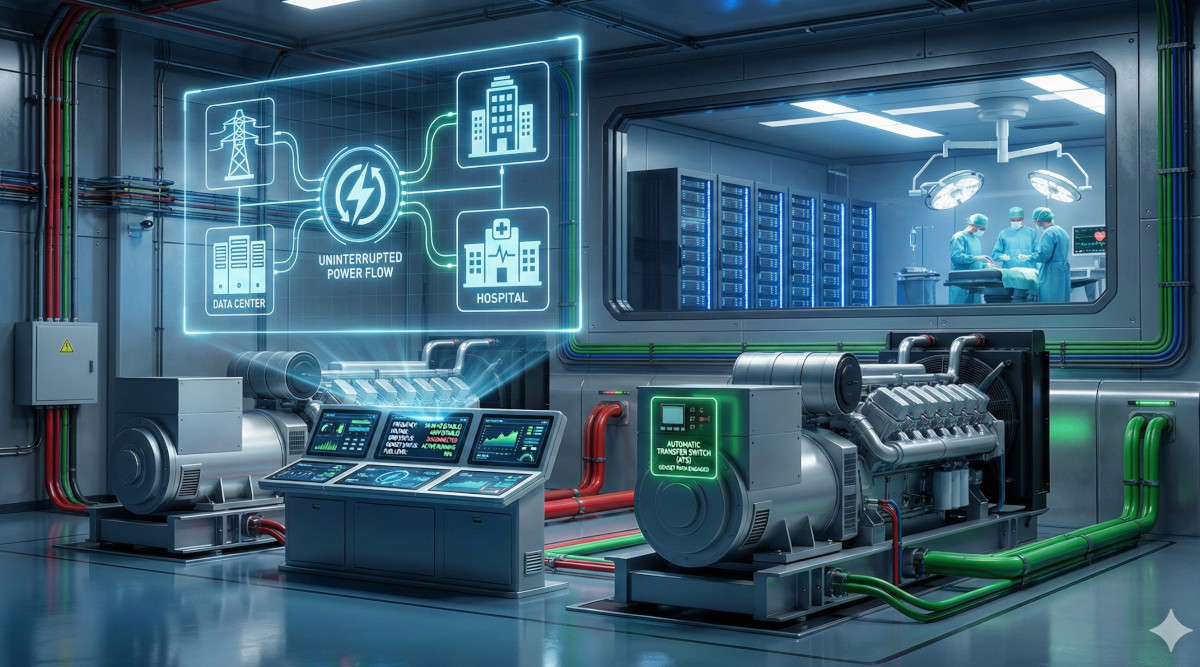
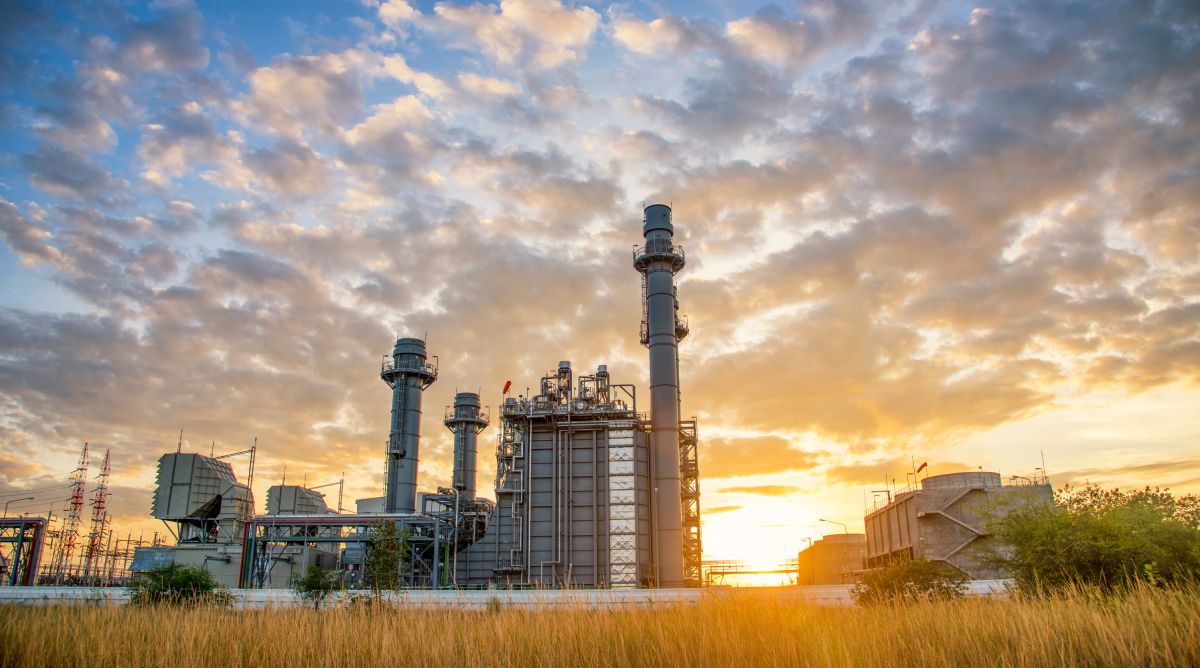
The digital economy runs on a simple, non-negotiable premise: 100% uptime. For data center operators, the traditional model of relying on the utility grid with a backup diesel generator is evolving into a more sophisticated architecture: the data center microgrid. Unlike a passive standby system, an engine-based microgrid is an active, intelligent power ecosystem capable […]
23 January 2026

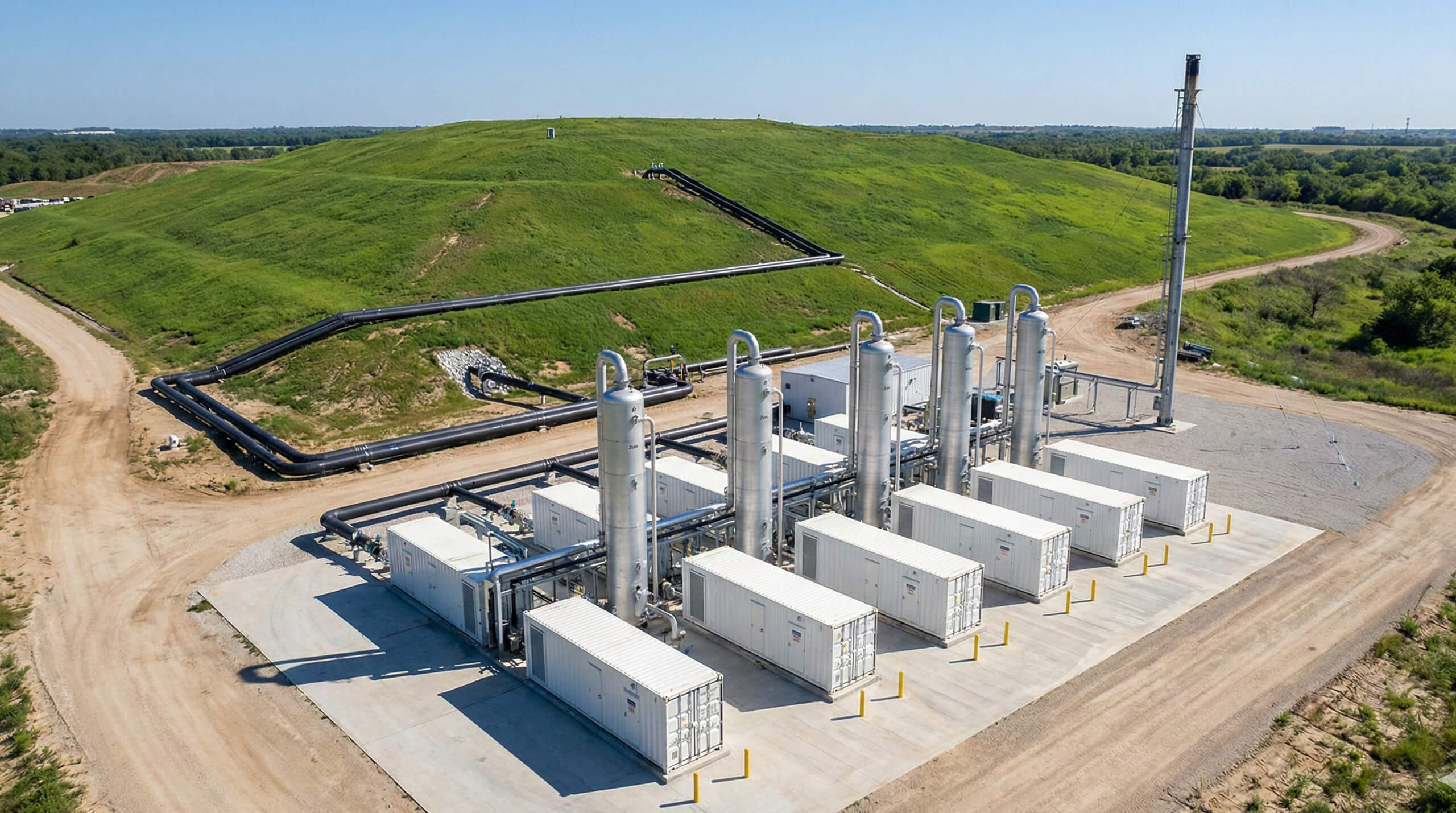
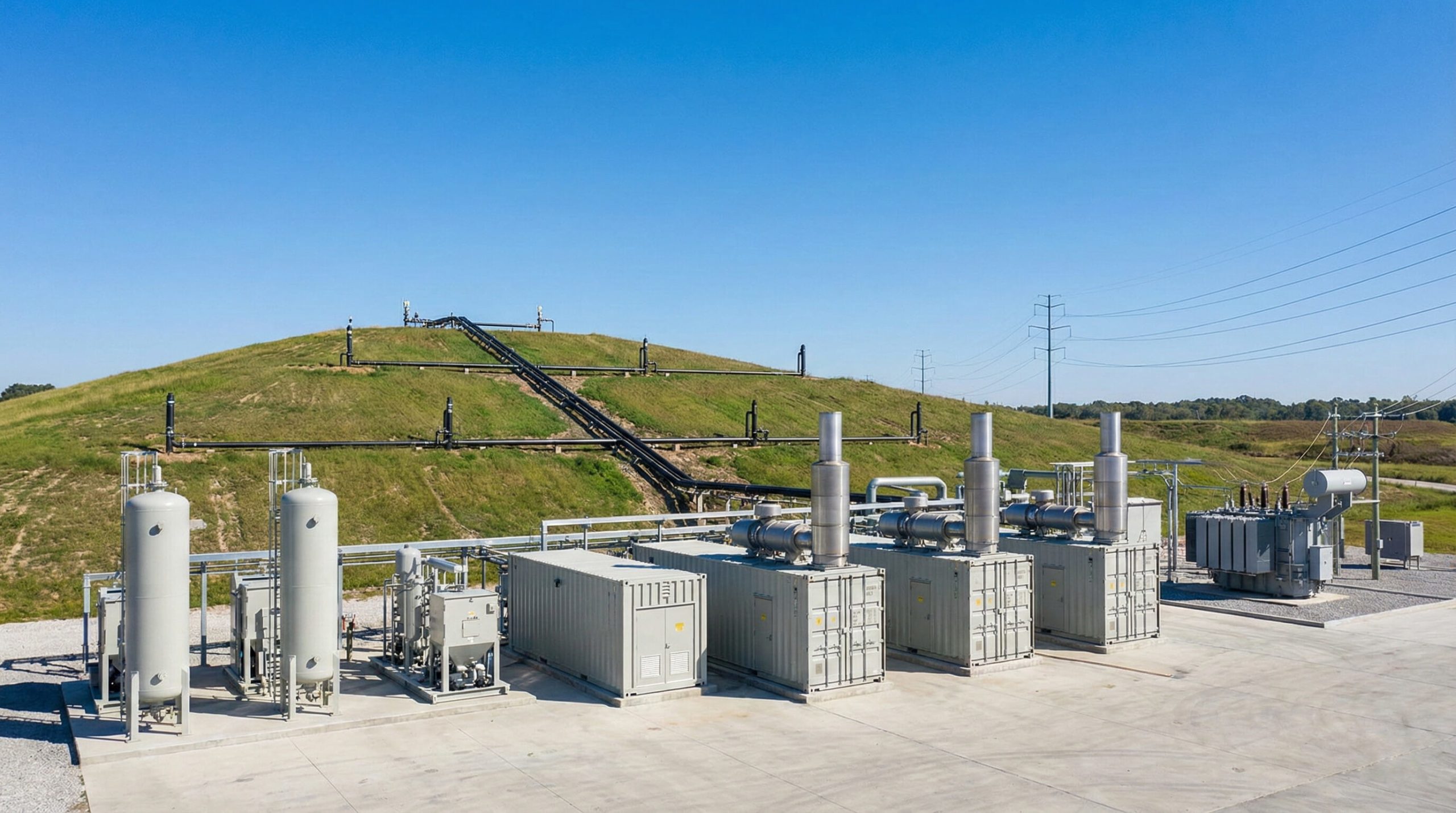
Landfill Gas Power Projects: Feasibility and Payback Model

The transformation of a municipal solid waste disposal site from an environmental liability into a profitable energy asset requires a feasibility study that is less about optimistic theoretical modeling and more about rigorous field verification where the stochastic nature of anaerobic decomposition must be quantified against the rigid financial requirements of the power market. Landfills […]

20 January 2026

Wastewater Energy Recovery: Key KPIs for WWTP Operators

The modern wastewater treatment plant (WWTP) is transitioning from a mere waste disposal facility into a bio-refinery where the strategic objective is no longer just effluent compliance but energy neutrality. For facility managers and process engineers, the integration of anaerobic digestion and Combined Heat and Power (CHP) systems offers a pathway to offset operational costs […]

15 January 2026

Biogas Plant Upgrades That Increase Engine Efficiency

The profitability of a biogas facility is inextricably linked to the thermodynamic performance of its prime movers, where the variability of organic feedstock often leads to fluctuating gas quality that systematically derates engine output and accelerates component wear. For plant managers, the challenge is clear. Achieving the theoretical maximum electrical efficiency—often rated between 40% and […]

12 January 2026

IPP Licensing Steps and Grid Connection Basics

The development of an Independent Power Producer (IPP) project is a multi-dimensional engineering challenge where the procurement of high-efficiency gas engines represents only a fraction of the total scope, necessitating a parallel execution of regulatory licensing and complex high-voltage grid integration procedures that ultimately define the project’s commercial start date. Investors often underestimate the technical […]
09 January 2026

Trigeneration vs Heat Pumps in Hotels: Cost and CO2 Impact

The hospitality industry operates as a unique energy consumer where the simultaneous requirement for uninterruptible power, continuous domestic hot water for guest comfort, and aggressive air conditioning loads creates a thermodynamic profile that demands a sophisticated, integrated energy solution rather than a collection of standalone utility connections. Hotel margins are thin. Energy costs are the […]

06 January 2026

How to Size a CHP System for Industrial Facilities

The engineering process of integrating a combined heat and power system into an existing industrial infrastructure requires a sophisticated understanding of the facility’s thermodynamic equilibrium where the simultaneous demand for high-grade thermal energy and stable electrical power must be reconciled through precise capacity calculations to ensure that the prime mover operates at its peak efficiency […]

30 December 2025

CHP-Driven Growth: Why New Industrial Investments Prefer Engine-Based Energy Solutions

Capital allocation for new industrial facilities requires rigorous scrutiny. For CFOs and project developers, energy infrastructure represents both a significant capital expenditure (CapEx) and a critical long-term operational expenditure (OpEx). In the current economic climate, relying solely on the utility grid exposes operations to price volatility and supply instability. Consequently, a distinct trend has emerged […]

26 December 2025

Turning Organic Waste Into High-Efficiency Energy Through Modern Biogas Engine Technologies

The conversion of organic waste into energy is no longer a simple disposal method; it is a sophisticated thermodynamic process that demands precision engineering. For industrial energy developers and plant managers, the economic viability of a biogas project hinges on one critical metric: biogas engine efficiency. Modern internal combustion engines (ICE) designed for biogas are […]

18 December 2025

Key Performance Factors That Determine the Success of Hybrid Energy Systems

The transition from centralized utility grids to decentralized microgrids is accelerating. For energy project managers and utility operators, Hybrid Energy Systems represent the pinnacle of this transition, combining the reliability of conventional gensets with the sustainability of renewables. However, successfully deploying a hybrid plant requires more than just installing solar panels alongside a diesel generator. […]

16 December 2025

Industrial Cogeneration Systems: Efficiency Gains Achieved Through Heat Recovery Innovations

Industrial energy management requires precise calculations and strategic infrastructure investments. Rising fuel costs and strict emission regulations compel facility managers to look beyond simple electricity generation. Cogeneration (CHP) systems offer a solution by producing power and thermal energy simultaneously. However, the engine is only the prime mover. The true engineering value lies in heat recovery […]

14 December 2025

Reducing Carbon Emissions in Landfill Operations Using Engine-Based LFG Energy Systems

Municipal Solid Waste (MSW) landfills represent a significant source of anthropogenic methane emissions globally. For environmental engineers and waste management executives, the challenge is not merely containment but active mitigation. Methane (CH4), generated during the anaerobic decomposition of organic matter, possesses a Global Warming Potential (GWP) significantly higher than carbon dioxide. Uncontrolled venting of this […]

09 December 2025

Energy Recovery Systems Transforming Wastewater Treatment Plants (WWTP) Into Power-Generating Facilities

Wastewater Treatment Plants (WWTP) traditionally function as massive energy consumers. Municipal data indicates that these facilities often account for 30% to 40% of a local government’s total electricity bill. This high operational cost pressures municipal budgets and increases the carbon footprint of water management. However, a paradigm shift is occurring in the water sector. Modern […]

04 December 2025

Increasing Facility Performance with Advanced Trigeneration Optimization Methods

For modern industrial facilities and critical infrastructure, energy is no longer just a line item on an expense report; it is a strategic asset that requires precise management. Traditional energy procurement methods often fall short against rising unit costs and stringent carbon footprint regulations. This is where Trigeneration systems—also known as Combined Cooling, Heat, and […]

11 August 2025

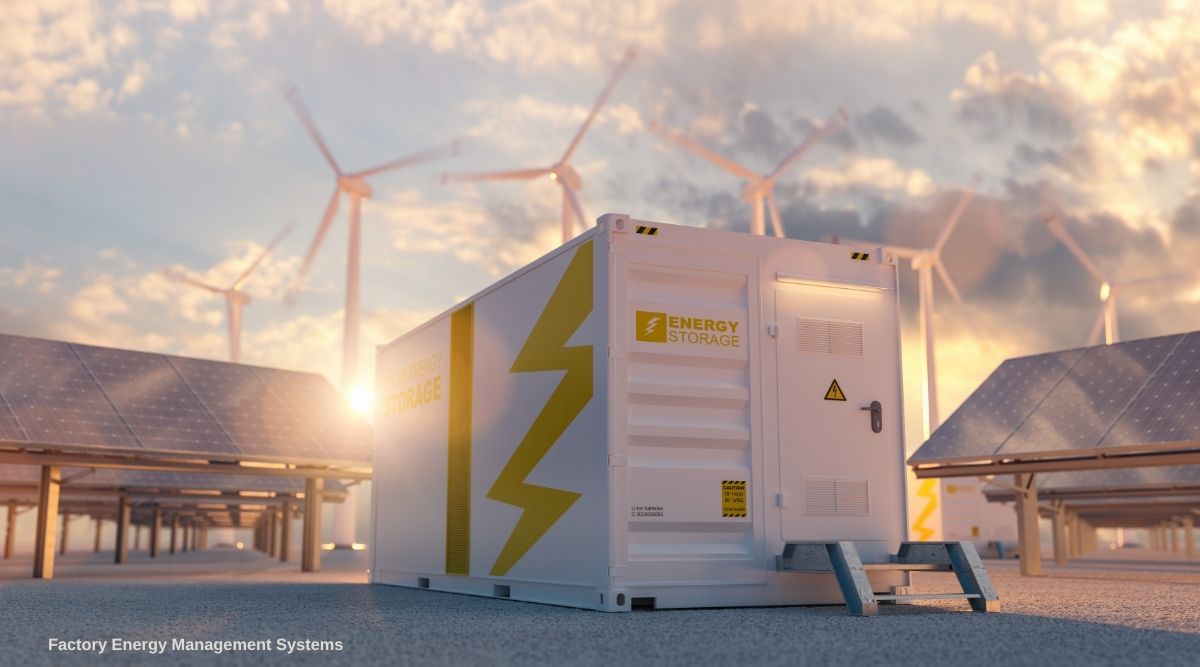
Factory Energy Management Systems: Reducing Costs and Boosting Efficiency

Factories are among the highest energy-consuming facilities, often running multiple production lines, heavy machinery, and support systems 24/7. Rising energy prices, stricter environmental regulations, and the need for operational efficiency make Factory Energy Management Systems (FEMS) essential for modern manufacturing. What is a Factory Energy Management System? A Factory Energy Management System combines hardware, software, […]

08 August 2025

Energy Management Systems for Commercial Buildings

Commercial buildings such as shopping malls, hotels, office complexes, and hospitals consume vast amounts of energy daily. Managing this energy efficiently is critical to lowering operating costs, improving sustainability, and enhancing occupant comfort. Energy Management Systems (EMS) provide the tools needed to monitor, control, and optimize energy use across multiple systems. What is an Energy […]

03 August 2025

Smart Energy Management Solutions for Industrial Efficiency

Industrial facilities face increasing pressure to reduce energy costs, cut carbon emissions, and maintain high operational performance. Smart Energy Management (SEM) solutions provide the tools and technologies to meet these demands by combining real-time monitoring, data analytics, automation, and sustainable energy production. What is Smart Energy Management? Smart Energy Management refers to the integration of […]

29 July 2025

Opportunities and Challenges for a Sustainable Energy Future

The global energy landscape is undergoing a profound transformation. Driven by climate change concerns, rising energy costs, and stricter environmental regulations, industries are seeking cleaner, more efficient, and more sustainable energy sources. Achieving a truly sustainable energy future requires both innovation and strategic planning — and while the opportunities are immense, the challenges are equally […]

15 July 2025

Reducing Carbon Emissions Through Waste-to-Energy Projects

Carbon emissions remain one of the most pressing environmental challenges for industries worldwide. Manufacturing, textile, food processing, and other industrial sectors generate significant amounts of waste that often end up in landfills or are incinerated without energy recovery, contributing to greenhouse gas emissions, particularly methane (CH₄) and carbon dioxide (CO₂). Waste-to-Energy (WTE) projects provide a […]

08 July 2025

Top 5 Energy Waste Solutions for Manufacturing Plants

Manufacturing plants are among the largest consumers of energy, often producing significant amounts of waste in the process. Without proper management, this waste not only increases operational costs but also impacts the environment. By implementing effective energy waste solutions, factories can lower expenses, improve sustainability, and enhance their corporate reputation. Here are the top 5 […]

13 May 2025

Energy Solutions for the Textile Industry: A Sustainable Approach

Energy Challenges in the Textile Industry The textile industry is one of the most energy-intensive sectors, consuming large amounts of electricity and thermal energy in various production processes such as spinning, weaving, dyeing, and finishing. With rising energy costs and increasing pressure to reduce carbon emissions, textile manufacturers must adopt efficient and renewable energy solutions. […]

09 April 2025

Synchronous Generator: How It Works and Its Components

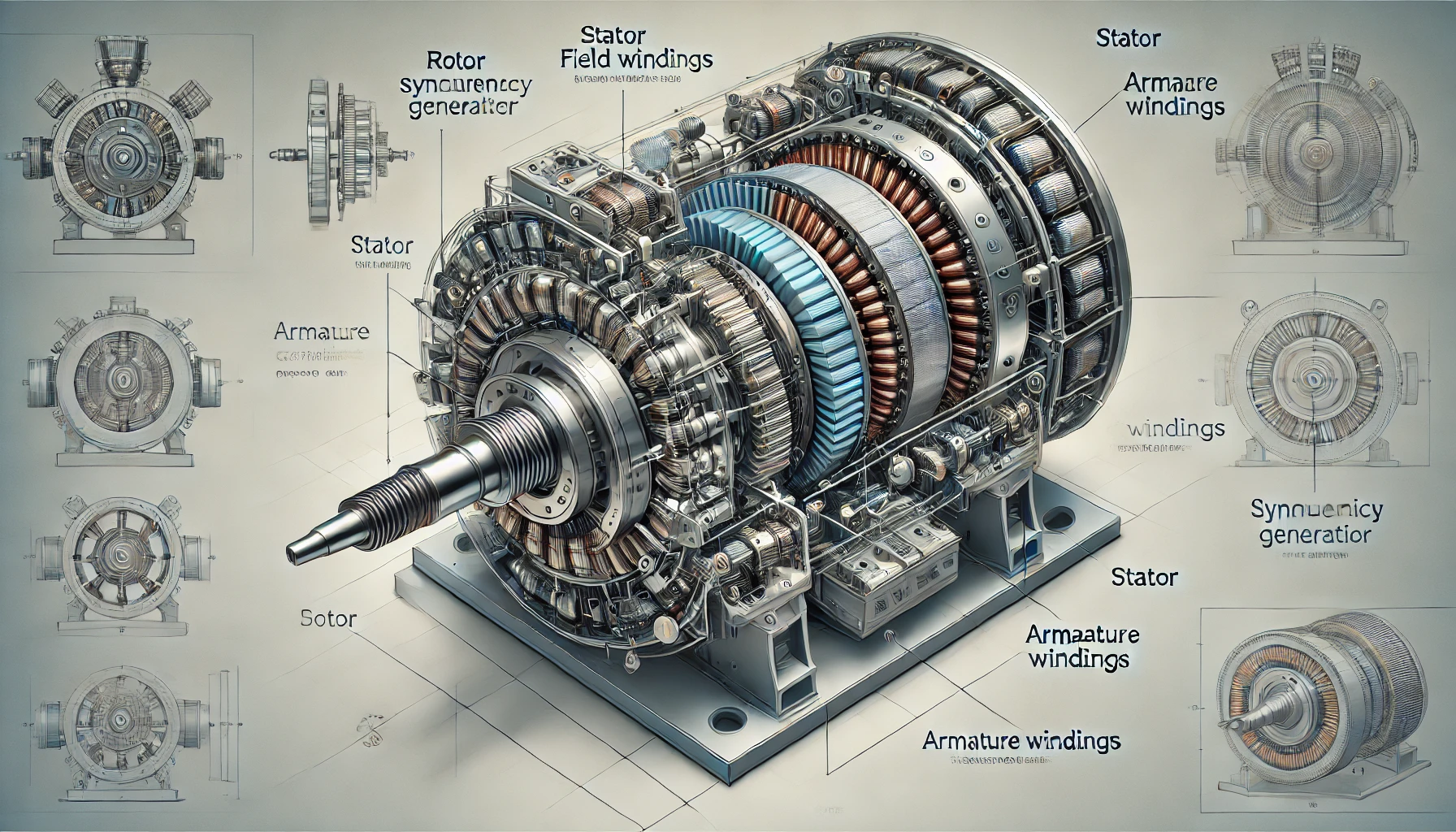
A synchronous generator is an electrical machine that converts mechanical energy into electrical energy in the form of alternating current (AC), with its rotor spinning at the same frequency as the generated AC voltage. It is widely used in power plants to generate electricity. How a Synchronous Generator Works Mechanical Energy Input: A prime mover […]

09 March 2025

Home Solar Energy Guide: A Beginner’s Handbook

Solar energy is a clean, renewable, and cost-effective way to power homes. With rising electricity costs and increasing awareness of environmental sustainability, more homeowners are turning to solar power. This guide provides an in-depth look at how solar energy systems work, their benefits, costs, and how to choose the right system for your home. For […]

25 December 2024

What is an Independent Power Producer (IPP)?

In today’s rapidly evolving energy landscape, private entities are playing an increasingly vital role in power generation. These entities, known as Independent Power Producers (IPPs), are reshaping the global energy market by producing and selling electricity independently of national utilities. As the demand for sustainable, cost-effective energy grows, IPPs are driving innovation, fostering competition, and […]

25 December 2024

How to Choose the Right Cogeneration System for Your Facility

Cogeneration, also known as Combined Heat and Power (CHP), is an efficient and sustainable method of producing electricity and heat simultaneously. By capturing and utilizing waste heat that would otherwise be lost, cogeneration systems provide substantial benefits, including improved energy efficiency, lower costs, and reduced environmental impact. However, selecting the right cogeneration system for your […]

25 December 2024

What is Trigeneration? How it Works and Key Advantages

As energy demands grow and the need for sustainable solutions becomes critical, trigeneration has emerged as a powerful technology that maximizes energy efficiency. Trigeneration, also known as Combined Cooling, Heat, and Power (CCHP), offers a significant improvement over traditional power generation methods by utilizing waste heat for both heating and cooling. This blog explores the […]

06 November 2024

Project Management Training In Energy Projects

With 35 years of corporate experience in the field of EPC (Engineering-Procurement-Installation), İltekno professionals, who produce turnkey projects in different continents of the world and in various climatic and country conditions, came together in the “Project Management in Energy Projects” training, which was created with institution-specific analysis for current conditions and needs between September 9-26. […]

22 October 2024

Fast Track Energy Projects with Moduler Power Plant Solutions

Project Detail: At the request of Contour Global Bonaire PP, ILTEKNO was given the contract for the reconstruction of one Generator Unit. After signing the contract, Iltekno started the engineering work in-house, incorporating lessons learned from a previous project completed in 2019. At the heart of the unit is a single MAN 9L 21/31 Engine. […]

22 October 2024

UNGC United Nations Global Compact and İltekno Practices

The United Nations Global Compact is the world’s largest corporate sustainability initiative that encourages organizations to take collaborative action to create a sustainable and inclusive global economy that benefits our world, all people, communities and markets. As İltekno, we are a member of the United Nations Global Compact, the world’s largest corporate sustainability initiative with […]

22 October 2024

Rooftop Solar Power Plant Installation and Work Safety

Solar energy is an option among renewable energy sources that has rapidly increased in popularity in recent years. Turkey’s sunshine duration and geographical advantages make this resource even more attractive. In order to maximize the benefits of solar energy, a plant design and installation process that prioritizes safety is of utmost importance. Occupational safety measures […]

29 September 2024

What is Cogeneration (CHP)?

Cogeneration, also known as Combined Heat and Power (CHP), is a highly efficient process that generates both electricity and useful heat from the same energy source. Unlike conventional power generation, which wastes a significant amount of energy as heat, cogeneration captures and utilizes this thermal energy. This increases overall energy efficiency, often reaching levels of […]

03 September 2024

10 Things You Should Know Before Installing a Cogeneration System

Cogeneration, also known as Combined Heat and Power (CHP), is becoming an increasingly popular solution for properties looking to enhance energy efficiency, reduce costs, and minimize environmental impact. However, before jumping into an investment, it’s crucial to understand the key considerations that come with installing a cogeneration system. This blog will guide you through the […]

03 September 2024

How Can You Save 30% Energy in Your Factory with Cogeneration Systems?

In today’s competitive industrial landscape, managing operational costs is crucial for maintaining profitability. Energy, especially with cogeneration systems, is often one of the largest expenses for manufacturing plants, making efficiency a top priority. One proven strategy for reducing energy consumption by up to 30% is through the implementation of cogeneration systems, also known as Combined […]

EXPERIENCE & PARTNERSHIPS
Proven Excellence Among The Globe
Proven engineering presence across 20+ countries.
Turkey Algeria Nigeria Iraq UK Georgia Cyprus Egypt Ukraine Serbia Mauritania Uzbekistan Guinea etc.
Discover More
itekno Global Presence itekno Global Presence itekno Global Presence
itekno Global Presence